
Wie du deine Golftasche wie ein Profi packst
Warum eine gut gepackte Tasche wichtig ist
Wir können uns alle diesen Moment vorstellen: Du stehst auf dem Fairway und suchst in deiner chaotischen Golftasche nach einem Abschlag, während deine Spielpartner warten. Dieses kleine bisschen Stress kann dich aus dem Konzept bringen. Im Gegensatz dazu steht die ruhige Zuversicht eines Spielers, der ohne zu zögern nach dem richtigen Schläger greift. Wissen wie man eine Golftasche packt ist mehr als nur Ordnungsliebe. Es ist eine grundlegende Fähigkeit, die dir hilft, schneller zu spielen, deine teure Ausrüstung zu schützen und dir einen mentalen Vorteil zu verschaffen.
Wenn deine Ausrüstung organisiert ist, kannst du dich ganz auf deinen nächsten Schlag konzentrieren, anstatt nach einem Ballmarker oder dem richtigen Eisen zu suchen. Dieser Leitfaden bietet eine einfache Schritt-für-Schritt-Methode für das Ordnen der Schläger und das Einpacken der wichtigsten Utensilien, so dass sich der Prozess für jeden, der es lernen möchte, als machbar erweist wie man Golf spielt.
Mit einer sauberen Weste beginnen
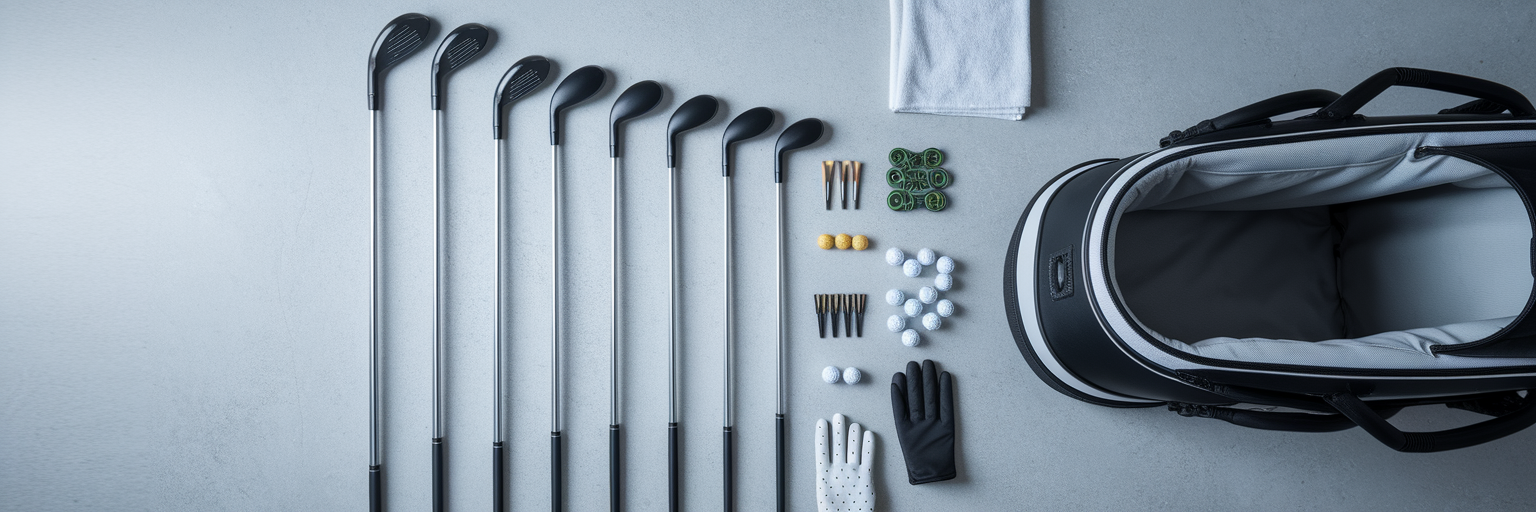
Bevor du dich organisieren kannst, brauchst du einen Neuanfang. Der effektivste erste Schritt ist, deine Golftasche komplett zu leeren. So kannst du eine vollständige Bestandsaufnahme machen, unnötige Dinge loswerden, die dich belasten, wie alte Scorekarten oder ein Dutzend zusätzlicher Bälle, und du hast die Möglichkeit, die Tasche selbst zu reinigen. Diese einfache Umstellung ist der Schlüssel zu einer bewussten Organisation und nicht nur zu einer Neuordnung des vorhandenen Durcheinanders.
- Leere jede einzelne Tasche und jeden Clubschlitz aus.
- Wische die Innen- und Außenseite der Tasche mit einem feuchten Tuch ab.
- Lege alle deine Sachen auf dem Boden aus, um genau zu sehen, was du hast.
Arrangiere deine Schläger für ein reibungsloses Spiel
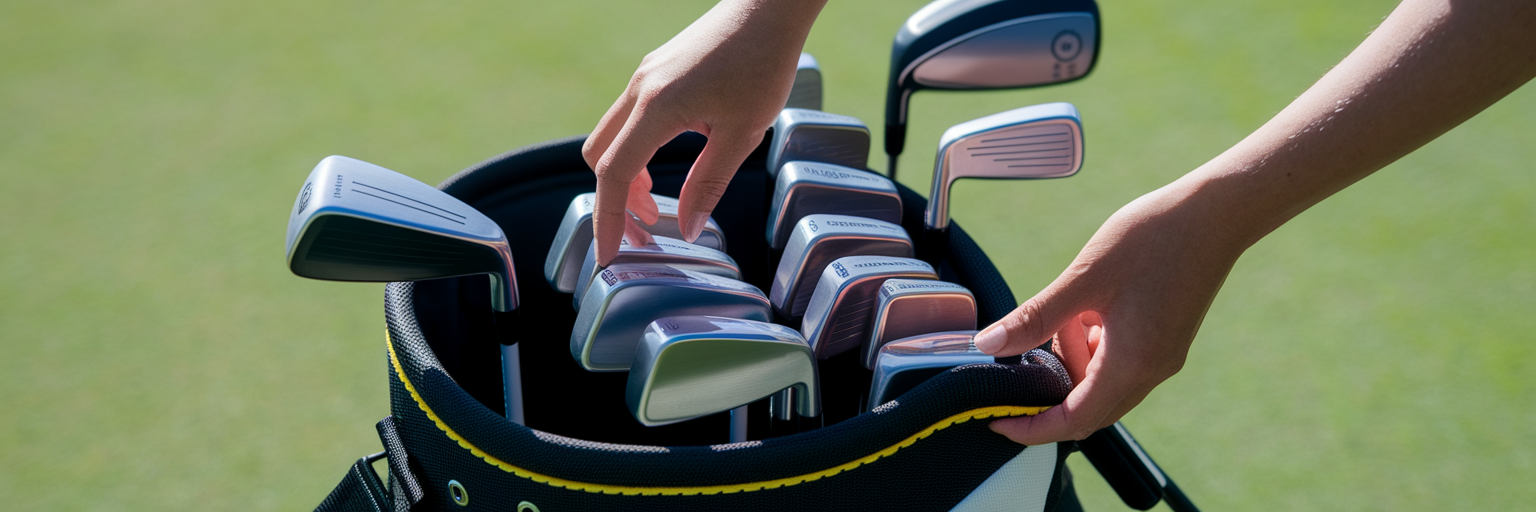
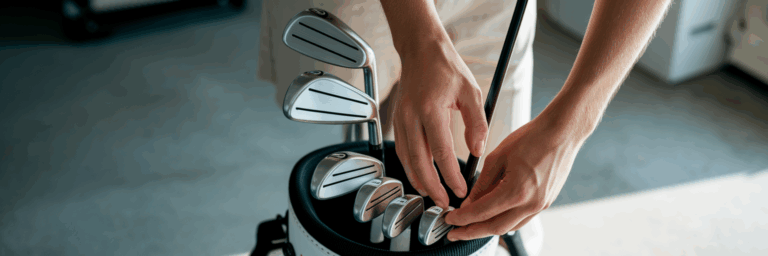
Eine richtige Golfbag-Setup für Anfänger folgt einem universellen Prinzip: Ordne deine Schläger von oben nach unten, von der längsten zur kürzesten Länge. Diese Anordnung macht es nicht nur einfach, den Schläger zu sehen und zu greifen, den du brauchst, sondern sie schützt auch die Graphitschäfte deiner Hölzer und Hybriden davor, von den Stahlschäften deiner Eisen beschädigt zu werden. Organisieren deiner Golfschläger Das ist eine einfache Gewohnheit, die sich auszahlt.
Oberer Abschnitt: Längste Schläger
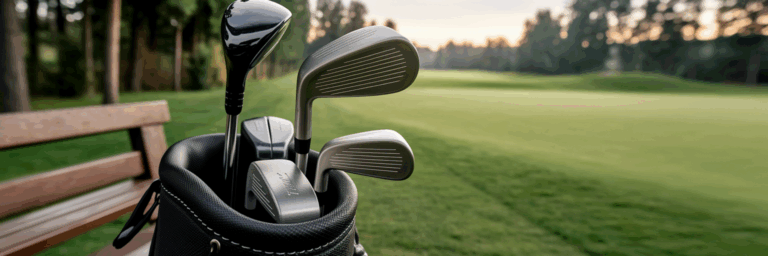
Die Fächer oben in der Tasche, die sich am Schultergurt befinden, sind für deine längsten Schläger reserviert. Dazu gehören deine Driver, Fairwayhölzer und Hybride. Die größeren Schlägerköpfe sitzen über dem Rest des Schlägers und verhindern, dass ihre sperrigen Köpfe gegen die Schäfte deiner kürzeren Eisen stoßen, was Dellen und Kratzer verursachen kann.
Mittlere Abschnitte: Bügeleisen
Deine Eisen sollten in den mittleren Bereichen deiner Tasche angeordnet sein. Für den besten Spielfluss solltest du sie in numerischer Reihenfolge anordnen. Du könntest zum Beispiel die Eisen 4, 5 und 6 in einem mittleren Fach und die Eisen 7, 8 und 9 im Fach darunter aufbewahren. Diese logische Reihenfolge bedeutet, dass du das Eisen, das du für deinen Annäherungsschlag brauchst, schnell finden und ziehen kannst, ohne suchen zu müssen.
Unterer Abschnitt: Wedges und Putter
Deine kürzesten Schläger, die Wedges und der Putter, gehören in das untere Fach an der Vorderseite der Tasche. So hast du den einfachsten Zugang zu den Schlägern, die du auf dem Grün am häufigsten benutzen wirst. Viele moderne Golfbags haben ein größeres, spezielles Fach, das sogenannte "Putter Well", das speziell für Putter mit übergroßen Griffen entwickelt wurde und sie vor anderen Schlägern schützt.
Schutz für deine wichtigsten Werkzeuge
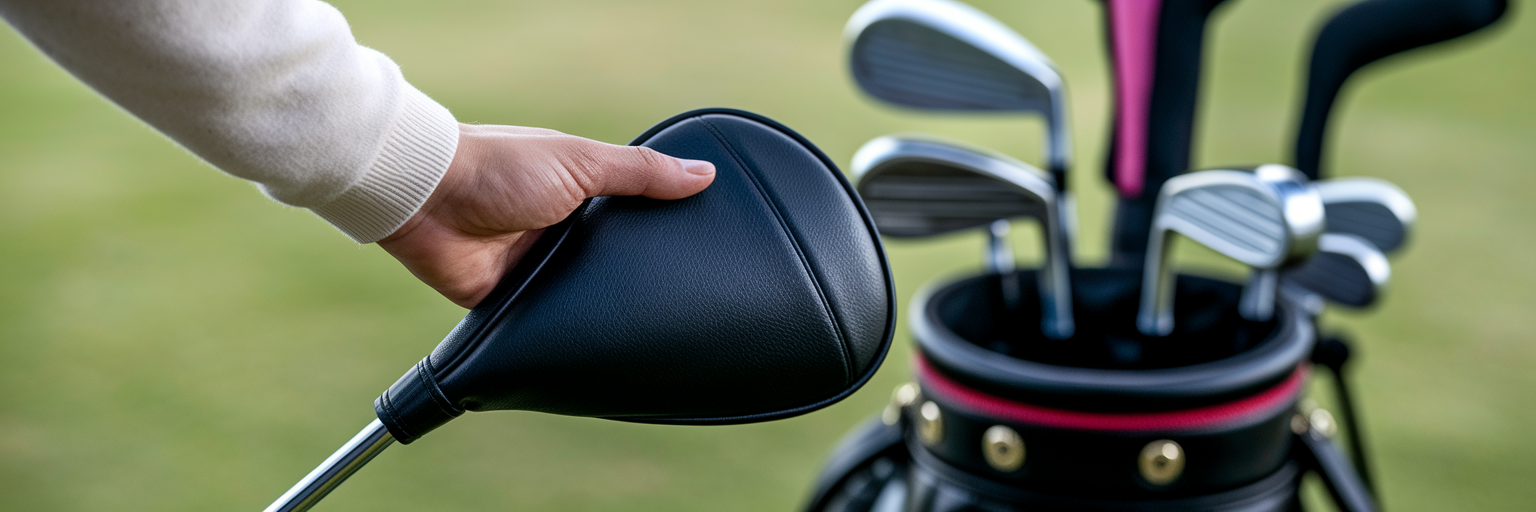
Die Kopfbedeckungen, die mit deinem Driver, deinen Hölzern und deinen Hybriden geliefert wurden, sind nicht nur zur Schau. Sie sind ein wichtiger Teil der Ausrüstung. Sie zu benutzen ist unverzichtbar für den Schutz deiner teuersten Schläger. Wenn du zu Fuß gehst oder mit dem Wagen fährst, können deine Schläger klappern und zusammenstoßen. Dieser Kontakt kann zu Absplitterungen, Beulen und Kratzern an den Schlägerköpfen führen und sogar die empfindlichen Graphitschäfte beschädigen. Headcovers bieten eine einfache, gepolsterte Barriere, um dies zu verhindern.
Einige Golfer verwenden auch Abdeckungen für ihre Eisen, um deren Zustand zu erhalten, aber das ist weniger üblich. Die wichtigste Erkenntnis ist, dass du für deine Hölzer und Hybriden immer eine Kopfbedeckung verwenden solltest. Das ist eine kostenlose Angewohnheit, die die Lebensdauer und Leistung deiner Ausrüstung erheblich verlängert.
Die wichtigsten Dinge für den Kurs packen
Jetzt, wo deine Keulen in Ordnung sind, ist es an der Zeit, über Folgendes nachzudenken Was in eine Golftasche gehört neben den Schlägern. Eine gut gepackte Tasche berücksichtigt deine Bedürfnisse während der Runde und stellt sicher, dass du alles hast, was du für ein reibungsloses und angenehmes Spiel brauchst. Die folgende Tabelle zeigt die wichtigsten Golfgrundlagen für Anfänger und der effizienteste Ort, um sie zu lagern.
| Wesentlicher Gegenstand | Empfohlene Menge | Wo man es verpackt |
|---|---|---|
| Golfbälle | 6-9 (ein Ärmel neu, ein paar Übungen) | Haupttasche vorne oder oben für einfachen Zugang |
| Abschläge | Eine Handvoll (10-15) | Kleine, spezielle Seitentasche oder T-Shirt-Halter |
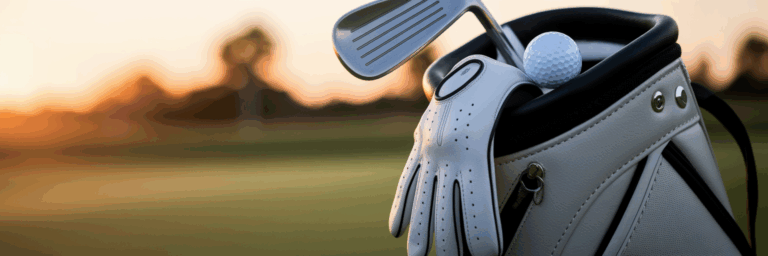
| Golf-Handschuh | 1 (plus eine Reserve, falls gewünscht) | Eine flache Seitentasche, damit sie nicht knittert |
| Divot-Reparaturwerkzeug & Ballmarker | 1 Werkzeug, 2-3 Marker | Kleine Wertsachentasche oder mit Abschlägen |
| Wasserflasche | 1 groß, wiederverwendbar | Isolierte Getränketasche oder externer Halter |
| Gesunder Snack | 1-2 (z. B. Müsliriegel, Banane) | Eine separate Seitentasche abseits von Wertsachen |
| Punktekarte, Bleistifte, Marker | 1 Halter, 2 Bleistifte, 1 Marker | Schlanke Seitentasche für leichtes Auffinden |
Hinweis: Diese Tabelle ist ein Richtwert für eine Standardrunde. Passe die Mengen je nach deinen persönlichen Bedürfnissen und den Kursregeln an.
Es ist wichtig, eine Wasserflasche und einen gesunden Snack einzupacken. Eine ausreichende Flüssigkeitszufuhr und ein hoher Energielevel können deine Konzentration und deine Leistung enorm steigern, vor allem auf den letzten Neun.
Verstauen von Kleidung und persönlichen Gegenständen
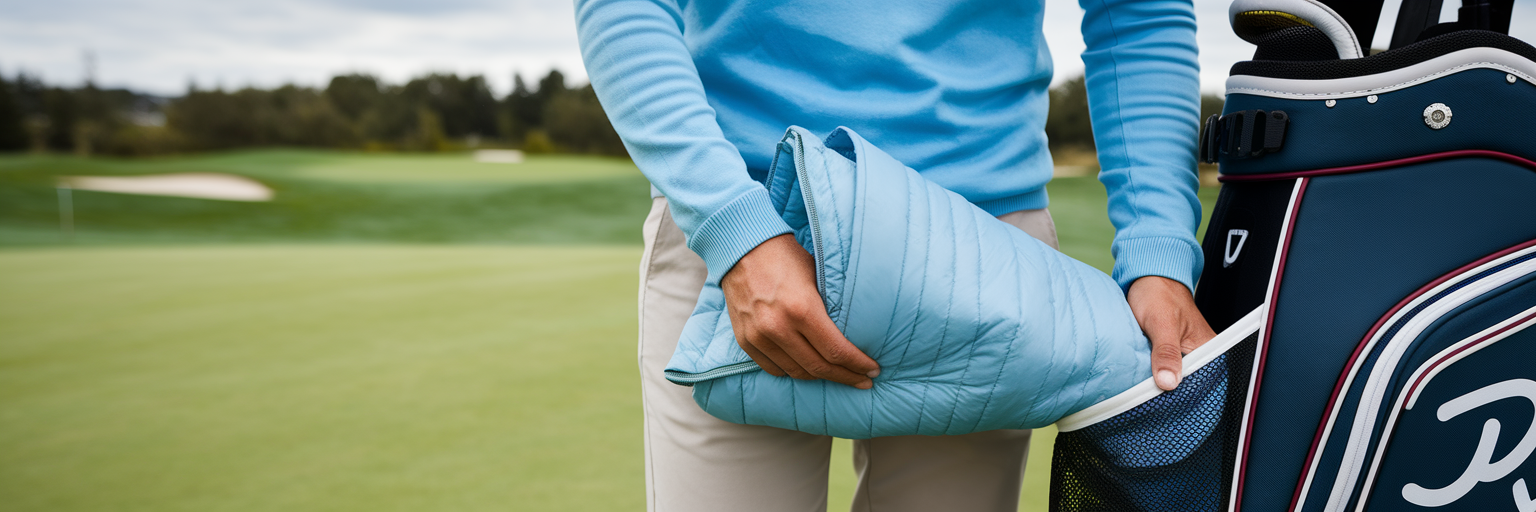
Die größeren Taschen in deiner Golftasche sind für Kleidung und andere persönliche Gegenstände gedacht. Wenn du sie in bestimmte Bereiche einteilst, findest du leicht, was du brauchst, ohne alles durchwühlen zu müssen.
Wetterfeste Kleidung
Informiere dich immer über die Wettervorhersage, bevor du dich auf den Weg zum Golfplatz machst. In einer der großen Seitentaschen kannst du eine gefaltete wasserdichte Jacke oder ein leichter Pullover. Wenn du ihn bereit hast, wirst du nicht von einem plötzlichen Wetterumschwung überrascht und kannst auch bei Wind oder einem leichten Schauer bequem spielen.
Sichere deine Wertsachen
Die meisten Golftaschen haben eine kleine Tasche mit Reißverschluss, die mit weichem Material wie Fleece oder Velours ausgekleidet ist. Dies ist der vorgesehene Platz für deine Wertsachen. Lege deine Telefon, Schlüssel und Brieftasche in dieser Tasche, um sie vor Kratzern zu schützen und sicherzustellen, dass sie während deiner Runde sicher aufbewahrt werden.
Verschiedene Annehmlichkeiten
Die übrigen kleineren Taschen oder Innenfächer kannst du für andere Annehmlichkeiten nutzen. Hier kannst du Sonnencreme, Lippenbalsam und ein kleines Erste-Hilfe-Set mit ein paar Verbänden und Schmerzmitteln aufbewahren. Wenn du diese Dinge an einem Ort aufbewahrst, sind sie leicht zu finden, wenn du sie brauchst.
Der abschließende Bilanzcheck
Wenn deine Tasche vollständig gepackt ist, führe einen schnellen Qualitätscheck durch. Hebe die Tasche zuerst am oberen Hauptgriff und dann am Schultergurt an. Das Ziel ist es, sicherzustellen, dass die Tasche stabil ist und nicht stark zur Seite kippt. Eine gut ausbalancierte Tasche ist nicht nur bequemer zu tragen, sondern sie sitzt auch sicherer auf einer Schubkarre oder in einem Golfwagen. Wenn er sich schief anfühlt, versuche, schwere Gegenstände wie zusätzliche Golfbälle oder eine volle Wasserflasche umzuverteilen, um eine gleichmäßigere Gewichtsverteilung zu erreichen.
Zuversicht in jeder Runde
Eine gut gepackte Golftasche bietet mehr als nur Platz für deine Ausrüstung. Es spart dir Zeit, schützt deine Investition und reduziert den Stress auf dem Golfplatz, sodass du dich auf dein Spiel konzentrieren kannst. Kleine Vorbereitungen wie diese zu treffen, ist ein wichtiger Schritt auf deinem Weg als Golfer/in. Ein gut organisiertes Bag ist das Zeichen eines Spielers, der vorbereitet und selbstbewusst ist und das Spiel genießen kann. Während du weiter lernst wie man Golf spielt, Wir sind hier, um dich mit klaren, ermutigenden Anweisungen bei jedem Schritt zu unterstützen.


 English
  German